

How To Clean And Sanitize Wine Bottles
Cleaning and Sanitizing for the Winemaker
Equally y'all become ready to bottle your wines, don't forget to clean and sanitize. Every bit wine is a nutrient production, good cleanliness and sanitization practices are a must for health and safety. Likewise, if you've always heard of winemakers lament about their vino smelling or tasting "off", it can oftentimes be traced back to poor cleaning and sanitizing practices. The bottom line: poor cleaning and sanitizing practices can lead to poor wine quality. Taking the time to clean and sanitize requires a few extra minutes, simply information technology is a preventative measure out that can help you avoid unnecessary wine faults. We offer a wide range of cleaning and sanitation products. Some require you to combine chemicals, while others are formulated for convenience.
How do I make clean and sanitize?
This is a two-stride procedure. The kickoff footstep is to remove materials. The 2nd is to impale germs and bacteria that tin can touch your final production.
- Cull a cleaning method and pay attention to crevices and hidden spots. Use a brush with your cleaner and scrub away gunk and debris and so rinse well with clean water.
- Sanitize your equipment according to the instructions that go forth with the method you chose. Some of these will require you to rinse. Other sanitizing methods are a rinse in themselves, requiring no rinsing at all.
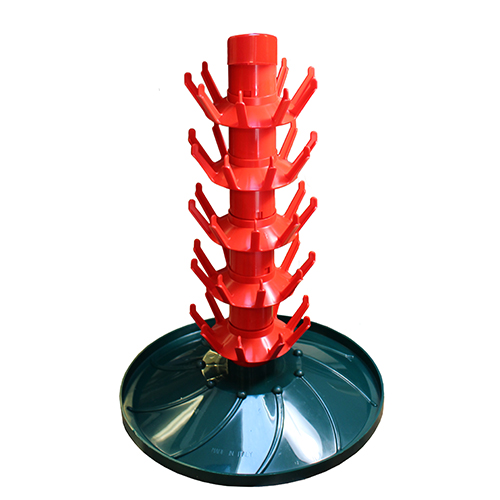 Ever allow your equipment and bottles to air dry to avoid attracting bugs, bacteria, mold and mildew.
What should I make clean and sanitize?
Everything that touches your vino supply. This ways all wine making equipment: annihilation that you will submerge in wine, pass wine through and employ for storing wine. This includes hosing and tubing, wine bottles, carboys and jugs, fermenters, etc.
When should I clean and sanitize?
Sanitizing is a cyclical procedure. Skillful practices save yous time in the long run. Always rinse afterward using your wine making equipment. This cuts down on the elbow grease when it comes to cleaning. The bicycle is as follow: clean, sanitize, use, rinse, clean, sanitize, air dry and store.
What products are available for cleaning and sanitizing?
Presque Isle Wine Cellars offers a wide range of cleaning and sanitizing products for a multifariousness of options. Well-nigh products tin be used on all wine making equipment and wine bottles. Caustic soda is an exception, and is not the all-time option for home winemakers.
Cleaning and Sanitizing:
One Step- An oxygen cleaner free of chlorine, bisulfites, organic compounds or phosphates. Just 1 tablespoon is needed per gallon and rinsing is not necessary.
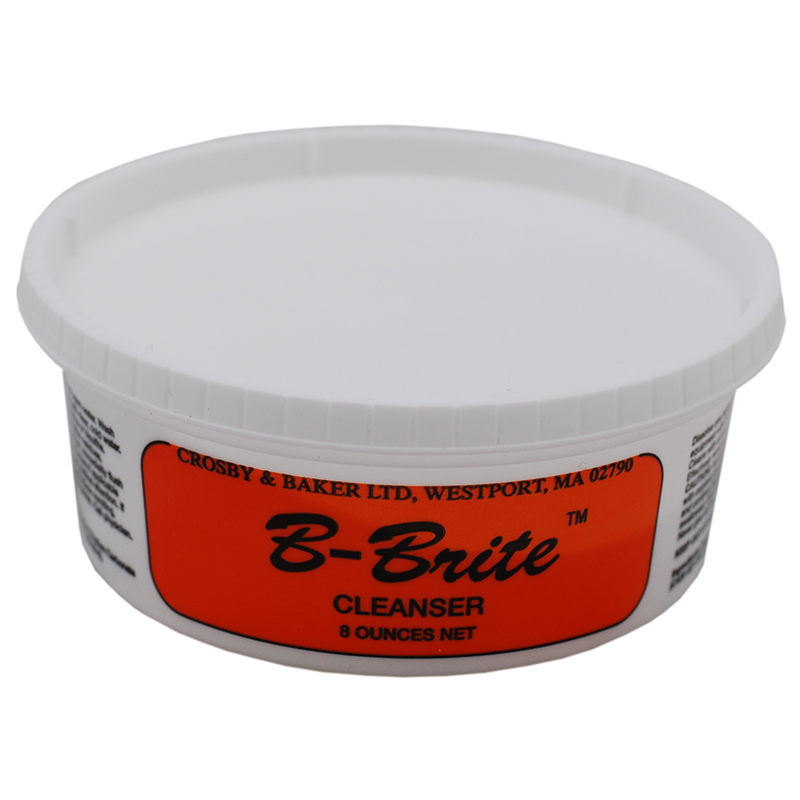
Cleaning:
B-Brite- An active oxygen and sodium carbonate base makes this cleaner ideal for cleaning barrels. Tin can be used for equipment and vino bottles every bit well. An eight oz container volition brand 15 gallons of cleaner (One tablespoon per gallon). Rinsing and sanitizing is recommended.
Caustic Soda- Pure sodium hydroxide used to clean tartrates off of stainless steel tanks and somefilter cartridges. This is a commercial method of cleaning that can be dangerous if contact is fabricated with the user's skin or eyes. Follow cleaning instructions very carefully when using this production and wearable protective gear.
PBW: Professional Brewery Wash – This non-caustic, buffered alkaline detergent is safe for use on stainless steel, drinking glass, brass and plastic. Use it to remove tartrate crystals without the dangers associated with caustic soda. Use two oz per 5 gallons of water for a cleaning method that rinses off easily.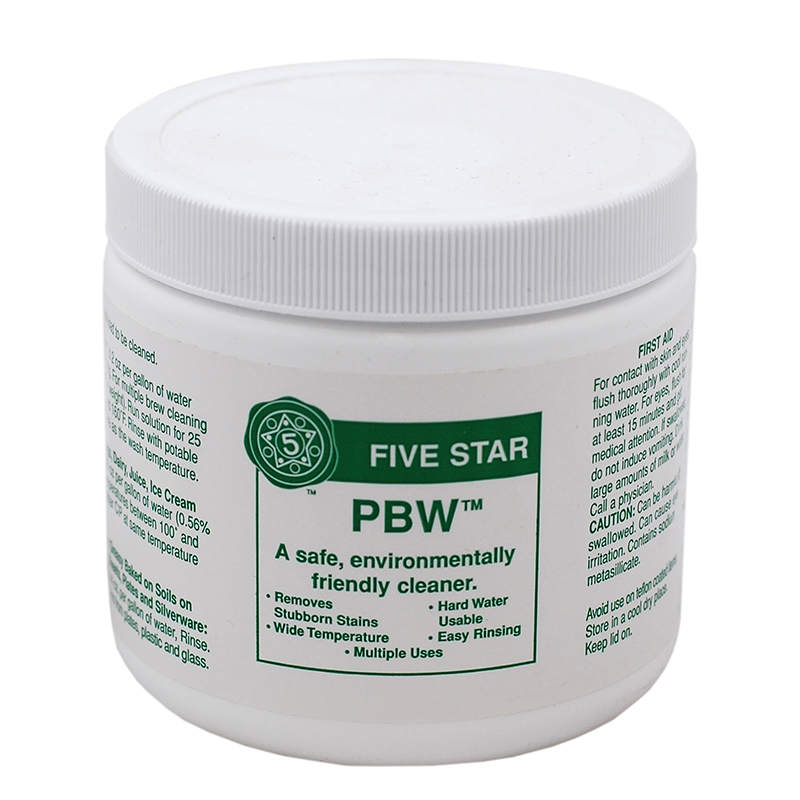
Pro Foam Plus VF41 – This chlorinated alkaline foam cleaner will cling to surfaces for deep cleaning. It may be brushed on surfaces.
Sal Soda (Soda Ash) – An unscented, inexpensive element of group i cleaning amanuensis that works well to remove grape stains. Use about ¼ cup per gallon of hot water for equipment, barrels and bottles.
Sanitizing:
Campden Tablets – This method is preferred by some due to its long shelf life. Rinsing is non necessary, but keep in mind that the tablets need to exist crushed using a mortar & pestle. The tablets contain the same agile ingredient as potassium metabisulite.
Potassium Metabisulfite and Citric Acid – We often recommend this method to our customers. It creates a cost-effective sanitizing rinse, significant no boosted rinsing with clean water. Potassium metabisulfate has a strong olfactory property and those allergic to sulfites may be aggravated by its potency. Measure carefully. In a gallon of h2o, add 2 teaspoons of potassium metabisulfite and 1 tablespoon of citric acrid. Utilize it as a rinse. If you're rinsing bottles, simply become from canteen to bottle. You can reuse the rinse until you lot notice it losing its odor. Simply mix up some other gallon and pick up where you left off. Drain bottles and air dry out. Yous tin use this method for your equipment likewise.
PIWC also offers products such as brushes, scrubbers, rinsers, draining racks and a stainless steel cleaner. See all our cleaning and sanitizing products.
View PDF of this document
RETURN TO WINEMAKING 101 BROWSE ALL OUR WINEMAKING SUPPLIES

Source: https://www.piwine.com/cleaning-and-sanitizing-for-the-winemaker.html
Posted by: wrightditer1942.blogspot.com
0 Response to "How To Clean And Sanitize Wine Bottles"
Post a Comment